
🇬🇧 English
Day 6 – Speaking Up and Building a Career 🚀
The sixth day of the Erasmus+ youth exchange «The Awakening of a New Generation» was dedicated to professional communication and active job searching: how to decide what matters most, how to talk about yourself, and how to turn a week of learning into a concrete plan.
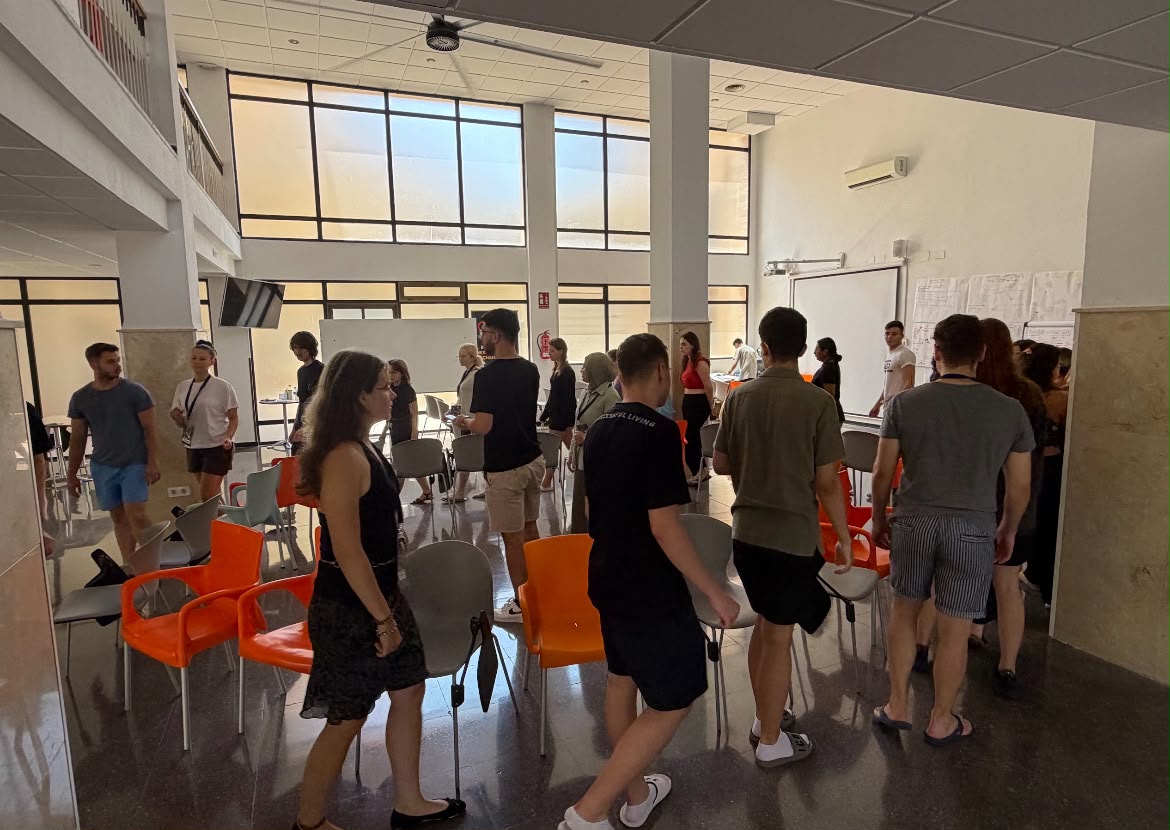
The day opened with the energizer «Find Your Partner in the Noise» 🔊. With their eyes closed and in a deliberately noisy room, each participant had to locate their partner by repeating an assigned sound. A playful introduction to the difficulty of communicating in environments saturated with information — the central theme of the day.
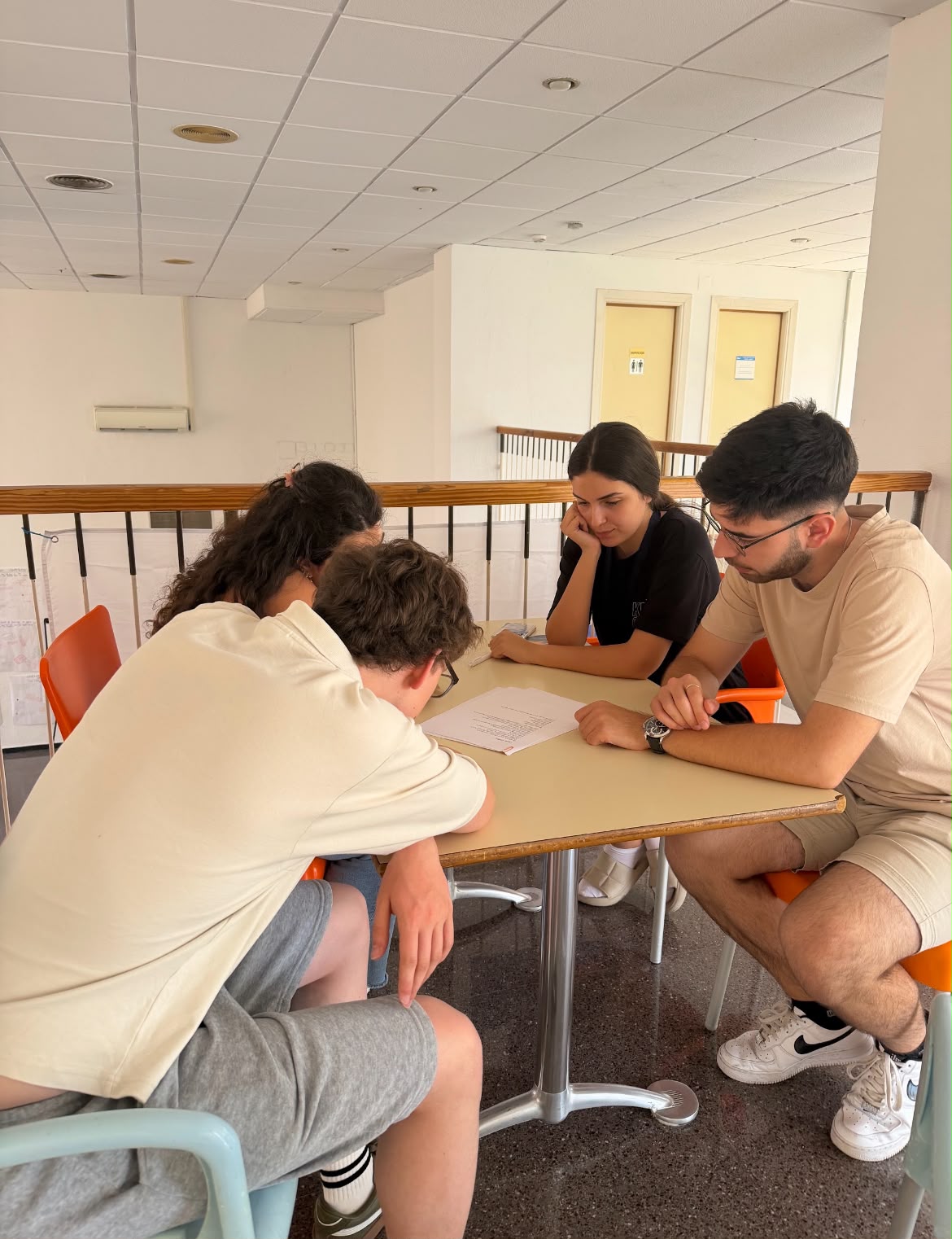
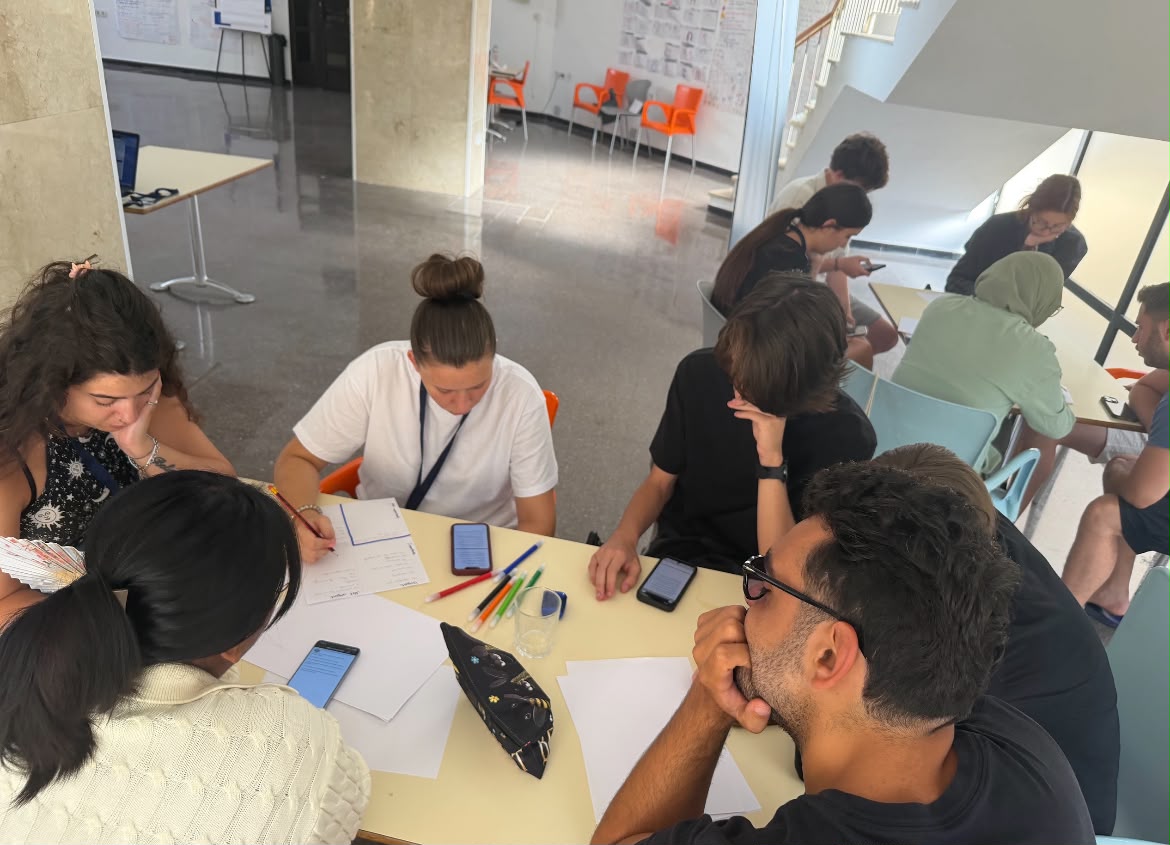
The morning continued with «First Thing First» ⏳, a session on time management and decision-making. After being introduced to the Eisenhower Matrix and its four quadrants — do, schedule, delegate, delete — participants split into six groups and received the scenario «The Final Day Before the Event»: they were the organising team of an international youth event starting the next morning, with a long list of pending tasks and only three hours left. Each group classified the tasks, defined its first three actions, decided what to delegate, schedule or eliminate, and identified the main risk of poor prioritisation. Then came the twist: every team was handed an unexpected problem — the facilitator falling ill, a transport delay, a severe allergy, the loss of a room, a communication failure, a budget cut, an internal conflict — and had to rearrange its priorities fast. The final presentations and the guided reflection helped participants tell real urgency apart from simple pressure, and connect prioritisation with stress reduction, mental health and team coordination at work, in their studies, in volunteering and in Erasmus+ projects.
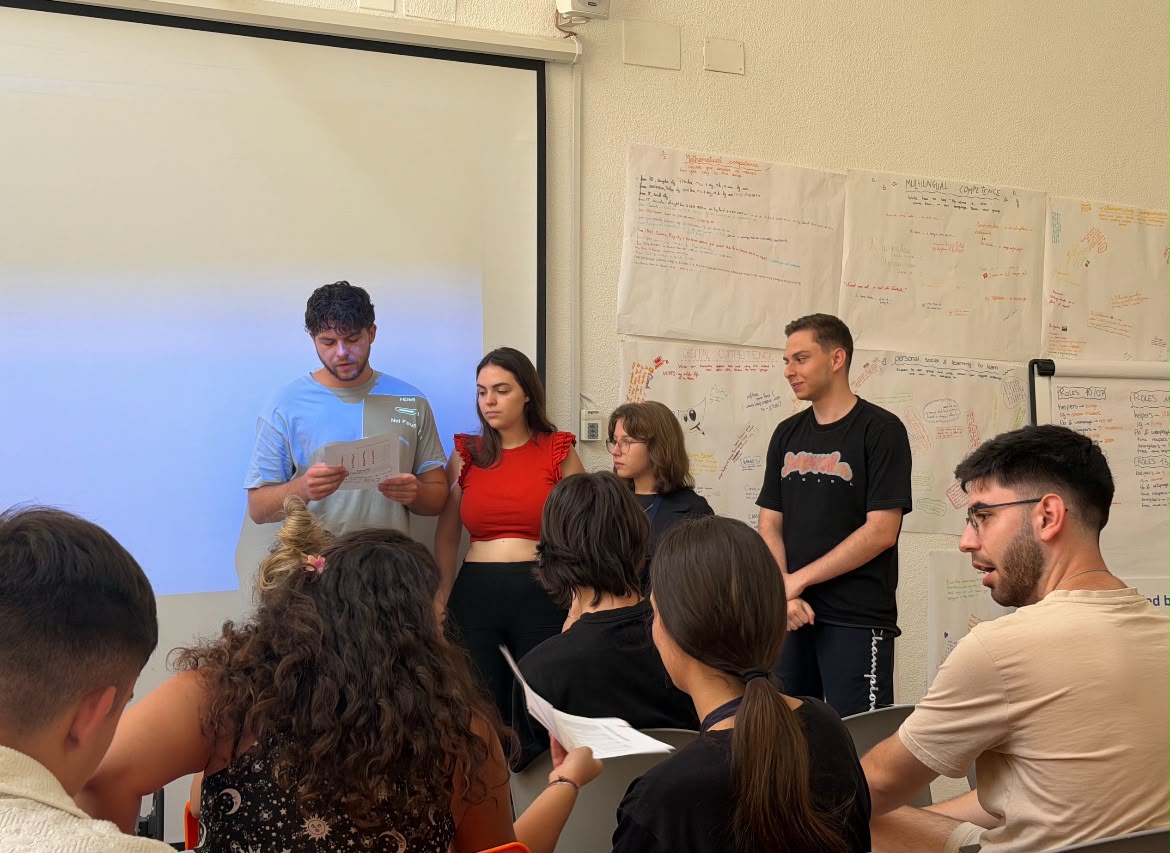
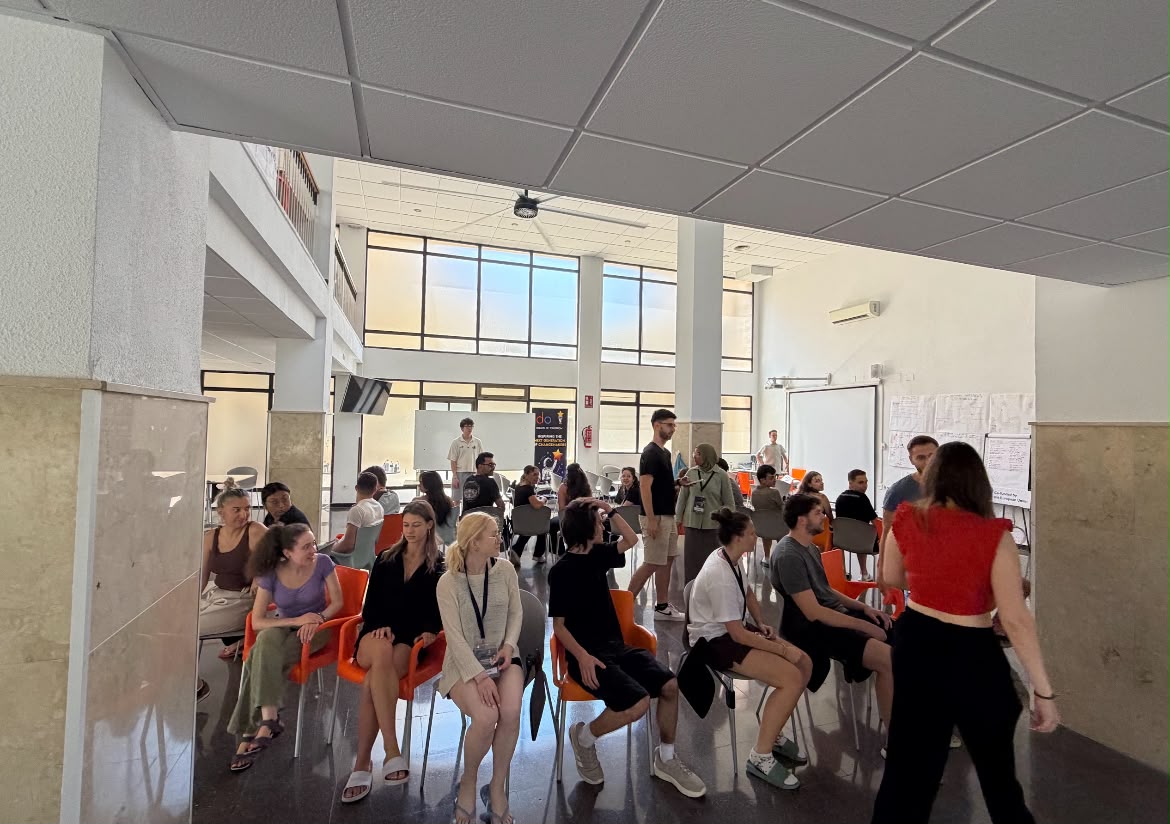
Before lunch, «Elevating Speech» 🎤 took the group into public speaking. The session started from an honest reflection on how hard it is to talk about oneself, to name your own strengths and to sound confident without sounding arrogant, and then established what makes a good pitch: brief, specific, human, relevant, confident and memorable. Each participant analysed their qualities, interests, experiences and goals and built a 60-second elevator pitch, choosing one of three structures — simple, storytelling, or professional, aimed at employment, internships, networking or projects. After practising in pairs and small groups with mutual feedback, everyone delivered their final pitch to the whole group, sitting in a circle. Comparing the first attempt with the last one made the progress in clarity and confidence impossible to miss, and everyone left with a finished personal speech ready to reuse.
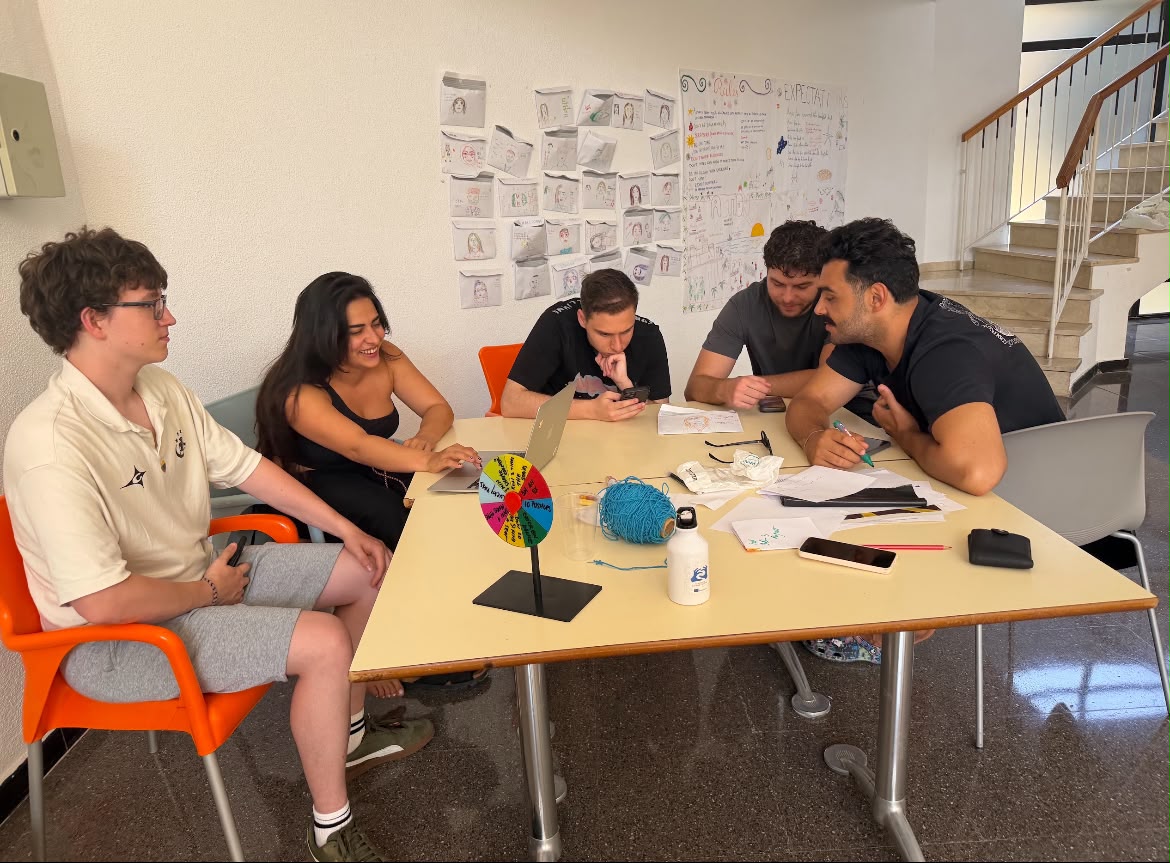
In the afternoon came «Networking Time and Action Plan to Find a Job in Our Field» 🤝. Participants first created or revised their professional profile on LinkedIn, or on the equivalent platforms in their own countries, working on the headline, the summary, the competences identified during the week and — crucially — how to translate non-formal experiences into the language of the labour market. A real networking session followed, where they exchanged professional interests and practised how to start and sustain a work-related conversation, reusing the elevator pitch they had built that same morning. In the second part, each participant designed an individual action plan for finding a job or an internship in their sector, with specific and measurable goals — how many applications per week, which networking events, which trainings to complete — along with concrete strategies and a realistic allocation of time. Everyone finished the session with a written, measurable commitment to take home.
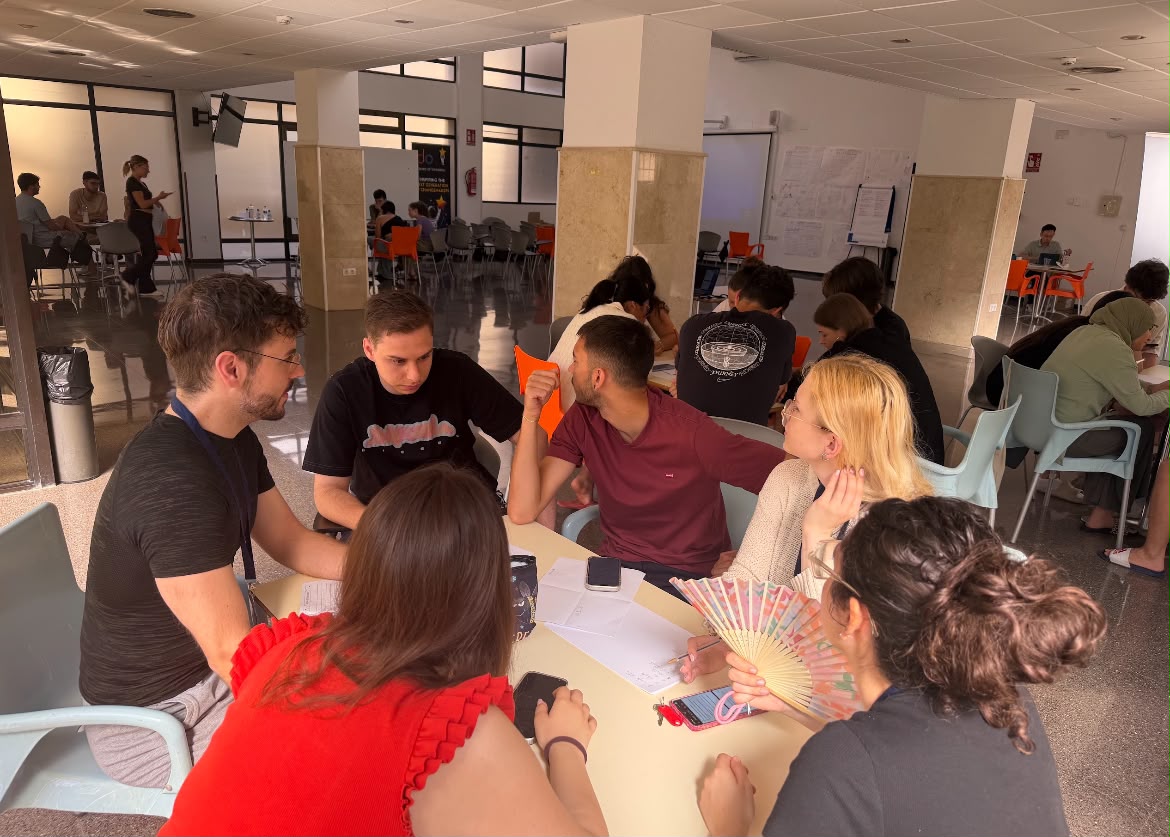
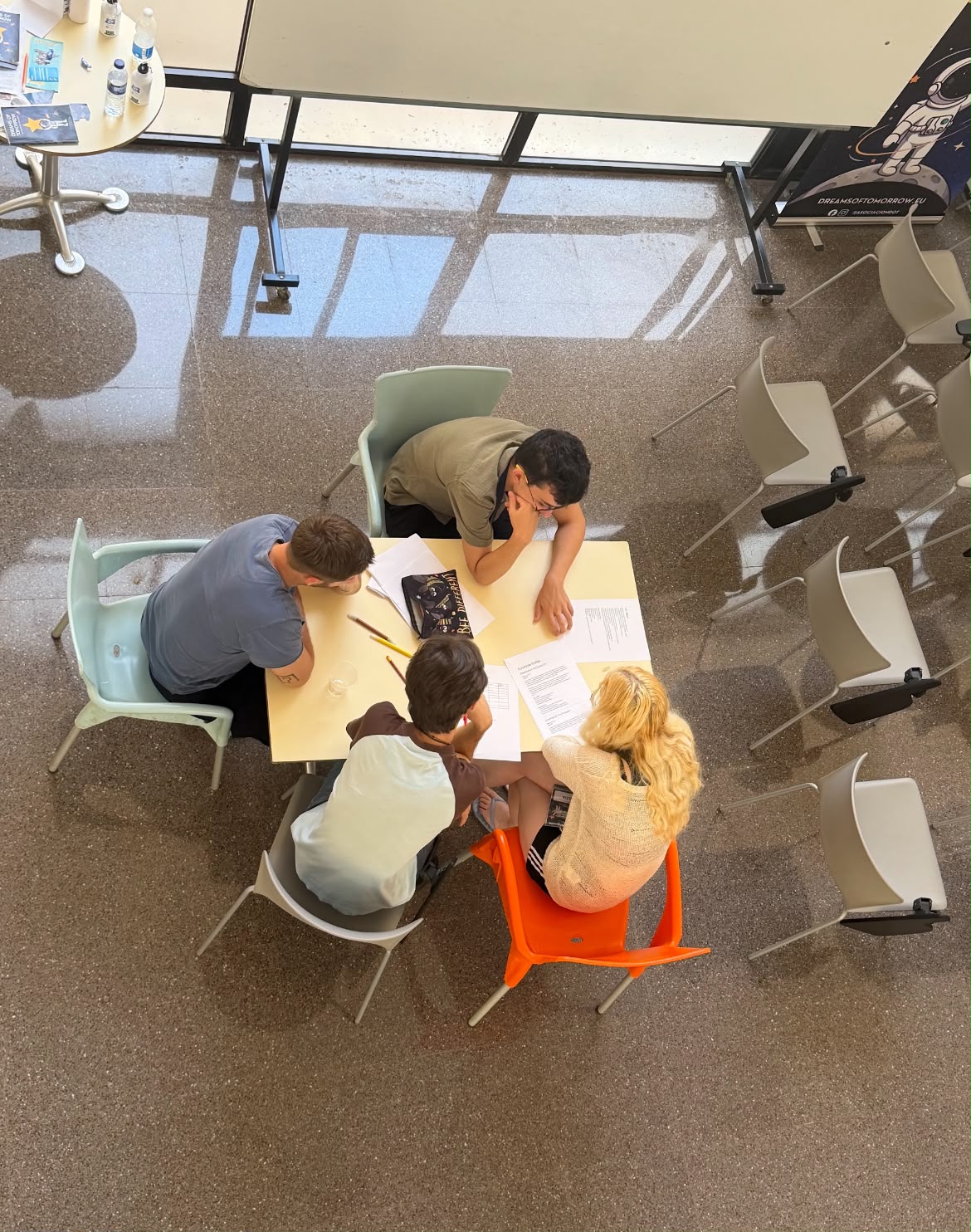
The day continued with «Real Case Studies of Challenging Situations» 🔍. Participants were presented with case studies of real companies and organisations facing challenges in recruitment, team management or workplace climate. In teams, they analysed each situation, identified its causes and proposed viable solutions, then defended their proposals to the rest of the group. The session gave them something they rarely get to see: the perspective from the other side of the hiring process, and a much clearer sense of what an organisation is actually looking for when it selects someone.
As every day, the group closed the working sessions by reflecting in national groups on what they had learned, while the rotating role teams took care of the daily dissemination of the project.
The evening was Movie Night 🎬: a film about cultural exchange, international coexistence and mutual learning between people from different backgrounds, followed by an open debate in which participants connected what they had seen with their own experience during the week, reflecting together on cultural diversity, prejudice and European values.
Step by step, participants are turning a week of activities into something they can use: a speech of their own, a professional profile, and a plan with dates on it.
Co-funded by the Erasmus+ Programme of the European Union.
🇪🇸 Español
Día 6 – Aprender a hablar de uno mismo y construir una carrera 🚀
El sexto día del intercambio juvenil Erasmus+ «The Awakening of a New Generation» estuvo dedicado a la comunicación profesional y a la búsqueda activa de empleo: cómo decidir qué es lo más importante, cómo hablar de uno mismo y cómo convertir una semana de aprendizaje en un plan concreto.
La jornada se abrió con el energizer «Find Your Partner in the Noise» 🔊. Con los ojos cerrados y en una sala deliberadamente ruidosa, cada participante debía localizar a su pareja repitiendo un sonido asignado. Una introducción lúdica a la dificultad de comunicarse en entornos saturados de información, tema central de la jornada.
La mañana continuó con «First Thing First» ⏳, una sesión sobre gestión del tiempo y toma de decisiones. Tras conocer la Matriz de Eisenhower y sus cuatro cuadrantes —hacer, programar, delegar, eliminar—, los participantes se dividieron en seis grupos y recibieron el escenario «The Final Day Before the Event»: formaban parte del equipo organizador de un evento juvenil internacional que empezaba a la mañana siguiente, con una larga lista de tareas pendientes y solo tres horas por delante. Cada grupo clasificó las tareas, definió sus tres primeras acciones, decidió qué delegar, programar o eliminar e identificó el principal riesgo de una mala priorización. Y entonces llegó el giro: a cada equipo se le entregó un imprevisto —la persona facilitadora enferma, un retraso del transporte, una alergia grave, la pérdida de una sala, un fallo de comunicación, un recorte presupuestario, un conflicto interno— y tuvo que reordenar sus prioridades con rapidez. Las presentaciones finales y la reflexión guiada les ayudaron a distinguir la urgencia real de la simple presión, y a conectar la priorización con la reducción del estrés, la salud mental y la coordinación de equipos en el trabajo, los estudios, el voluntariado y los proyectos Erasmus+.
Antes del almuerzo, «Elevating Speech» 🎤 llevó al grupo al terreno de la oratoria. La sesión partió de una reflexión honesta sobre lo difícil que es hablar de uno mismo, identificar las propias fortalezas y transmitir seguridad sin resultar arrogante, y después estableció qué hace bueno a un pitch: breve, específico, humano, relevante, seguro y memorable. Cada participante analizó sus cualidades, intereses, experiencias y objetivos y construyó su elevator pitch de 60 segundos, eligiendo una de tres estructuras: simple, storytelling o professional, esta última orientada a empleo, prácticas, networking o proyectos. Tras practicar en parejas y en grupos pequeños con retroalimentación mutua, cada persona presentó su pitch definitivo ante todo el grupo, en círculo. Comparar el primer intento con el último hizo imposible no ver la evolución en claridad y seguridad, y todos se marcharon con un discurso propio ya cerrado y listo para reutilizar.
Por la tarde llegó «Networking Time and Action Plan to Find a Job in Our Field» 🤝. Los participantes crearon o revisaron primero su perfil profesional en LinkedIn, o en las plataformas equivalentes de sus países, trabajando el titular, el extracto, las competencias identificadas durante la semana y, sobre todo, cómo traducir las experiencias no formales al lenguaje del mercado laboral. Después se desarrolló una dinámica real de networking en la que intercambiaron intereses profesionales y practicaron cómo iniciar y sostener una conversación de carácter laboral, reutilizando el elevator pitch construido esa misma mañana. En la segunda parte, cada participante diseñó un plan de acción individual para la búsqueda de empleo o prácticas en su sector, con metas específicas y medibles —cuántas candidaturas por semana, qué eventos de networking, qué formaciones completar—, además de estrategias concretas y una asignación realista de tiempo. Todos terminaron la sesión con un compromiso escrito y medible para llevarse a casa.
La jornada continuó con «Real Case Studies of Challenging Situations» 🔍. Se presentaron a los participantes estudios de caso de empresas y organizaciones reales que enfrentaban retos de selección de personal, gestión de equipos o clima laboral. Por equipos, analizaron cada situación, identificaron sus causas y propusieron soluciones viables, defendiéndolas después ante el resto del grupo. La sesión les dio algo que rara vez tienen ocasión de ver: la perspectiva del otro lado del proceso de contratación, y una idea mucho más clara de qué busca realmente una organización cuando selecciona a alguien.
Como cada día, el grupo cerró las sesiones de trabajo con la reflexión en grupos nacionales sobre los aprendizajes de la jornada, mientras los equipos de roles rotativos se encargaban de la difusión diaria del proyecto.
La velada fue la Movie Night 🎬: una película sobre el intercambio cultural, la convivencia internacional y el aprendizaje mutuo entre personas de distintos orígenes, seguida de un debate abierto en el que los participantes vincularon lo que habían visto con su propia experiencia durante la semana, reflexionando juntos sobre la diversidad cultural, los prejuicios y los valores europeos.
Paso a paso, los participantes están convirtiendo una semana de actividades en algo utilizable: un discurso propio, un perfil profesional y un plan con fechas.
Cofinanciado por el Programa Erasmus+ de la Unión Europea.